For appointments, call (225) 292-6991. Serving Baton Rouge, Gonzales, Denham Springs, and New Roads
Orthodontic Appliances for Teeth Alignment
Orthodontic appliances do a lot more than “straighten teeth,” even though that is usually the first thing people picture. The right appliance can guide how teeth meet, create space where crowding has taken over, and help your jaw relationship function more comfortably. Treatment also feels easier when the plan is tailored to your bite, your lifestyle, and how you want to look during the process. Frugé Orthodontics focuses on matching the appliance to the goal, not forcing every patient into the same template.

People researching orthodontic appliances for teeth alignment usually want two things at the same time: a clear explanation of what each device does, plus a confident sense that the provider knows how to choose wisely. That combination matters because small details change outcomes, including how predictable your alignment will be, how your bite settles, and how stable your results remain after treatment. A well-designed appliance plan should feel purposeful at every step, even when the steps are gradual. That is the difference between “moving teeth” and building a healthier, more reliable bite.
What Orthodontic Appliances Actually Do for Teeth Alignment
Orthodontic appliances apply controlled forces that encourage teeth to shift through bone in a healthy, planned way. That force might be steady and gentle, like clear aligners, or it might be continuous through brackets and wires with carefully chosen adjustments. Some appliances focus more on guiding growth and bite position, especially for kids and teens, while others concentrate on precise tooth placement for older teens and adults. The goal is always the same: create a bite that fits together well, supports long-term stability, and looks natural.
The appliance choice also affects how efficient your treatment feels in daily life, including eating, cleaning, and staying on schedule. Fixed appliances can do work even when life gets busy, which matters for patients who want a “set it and follow the plan” approach. Removable appliances can be incredibly effective too, especially when a patient wants flexibility and commits to wearing them exactly as prescribed. Frugé Orthodontics helps you understand what each option can realistically accomplish, then builds a plan that fits both your smile goals and your routine.
Orthodontic Treatment Options for Children and Adults
Orthodontic treatment options for children and adults can look similar on the surface, yet the strategy behind them is often very different. Children and teens may benefit from timing because growth can be guided, space can be created more predictably, and bite correction can happen earlier when the jaws are still developing. That does not mean every child needs early treatment, since the best timing depends on the bite pattern and how the teeth are erupting. A thoughtful evaluation identifies whether an appliance should start now or whether waiting will produce a cleaner, simpler result.
Adults often want appliances that balance strong results with a professional, low-disruption experience. Modern orthodontics offers multiple ways to treat crowding, spacing, and bite problems without making life feel complicated, including discreet braces and clear aligners for teeth alignment. Adult treatment also emphasizes stability, since the goal is not just to finish with straight teeth, but to keep them straight with the right retention plan. Frugé Orthodontics designs adult care with comfort, appearance, and long-term maintenance in mind, while still pursuing the bite correction that protects your smile.
Types of Orthodontic Appliances
for Teeth Alignment
Traditional Braces for Full-Control Tooth Movement
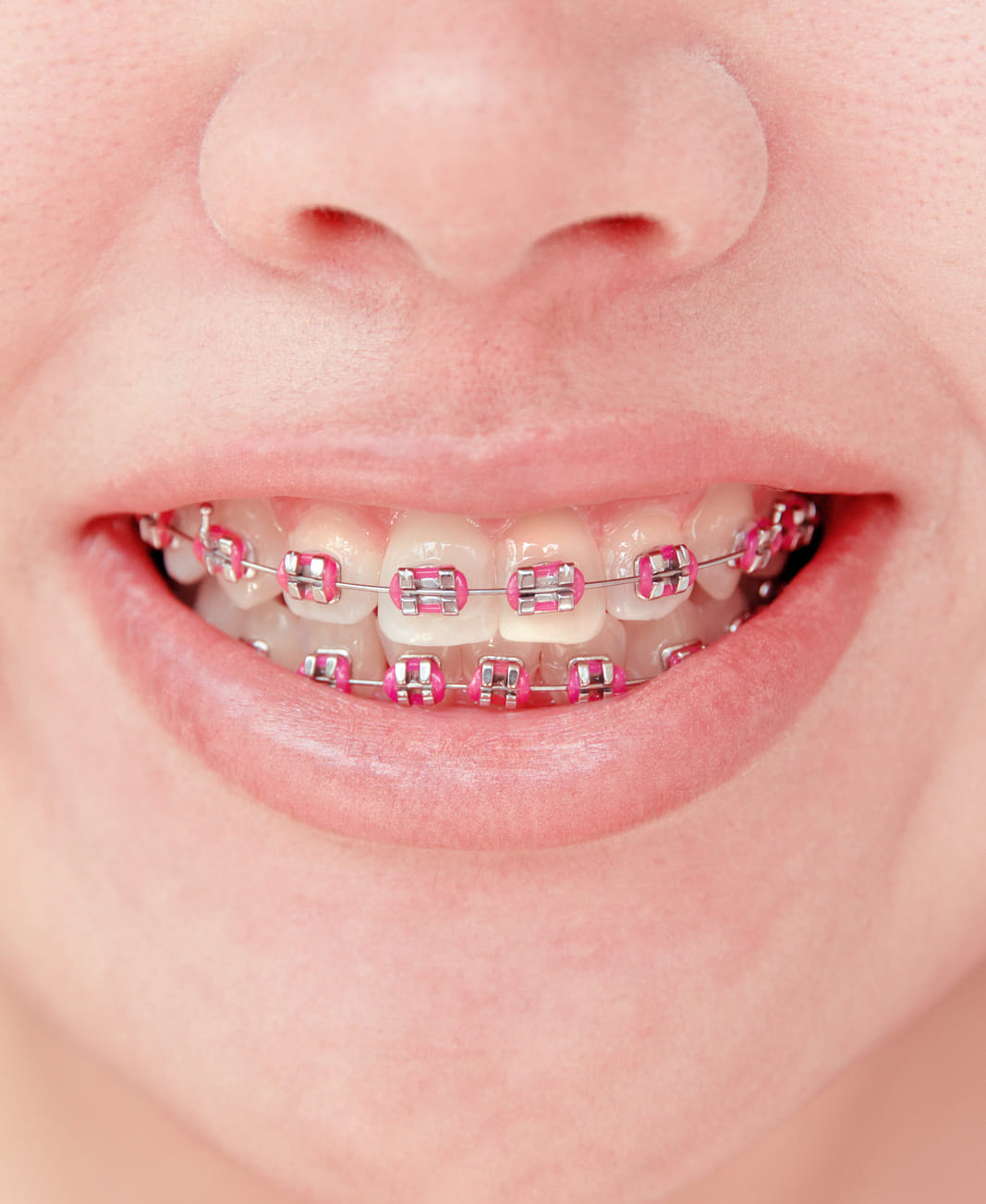
Braces use brackets and wires to guide teeth with precision, which can be especially helpful for rotations, significant crowding, and complex bite relationships. The strength of braces is consistency, since the appliance keeps working around the clock without relying on daily wear habits. Modern systems also allow efficient adjustments that gradually refine your bite as the teeth align. Many patients choose braces because they want a reliable approach that can handle almost any alignment goal.
Clear Aligners for Teeth Alignment with Lifestyle Flexibility
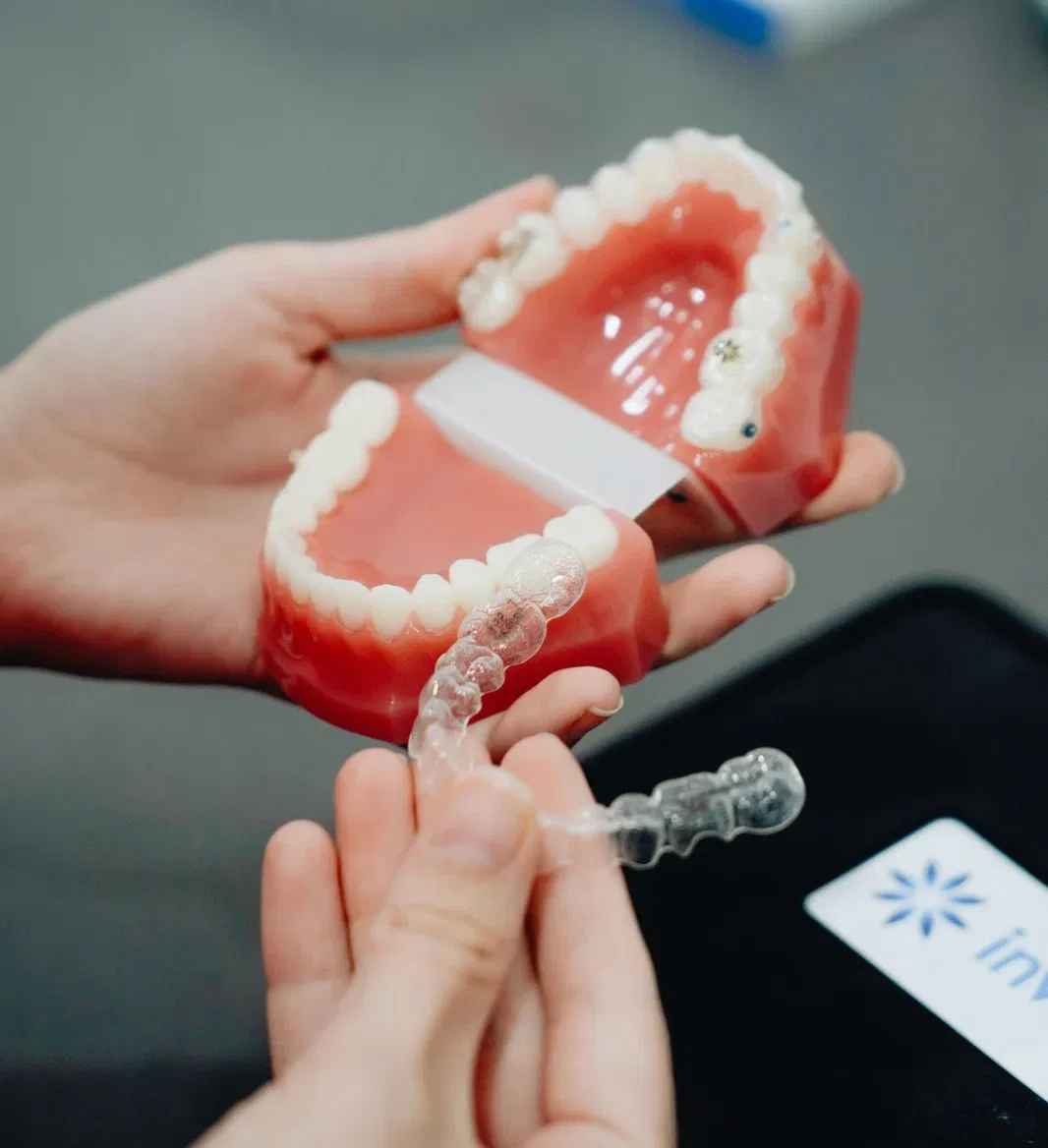
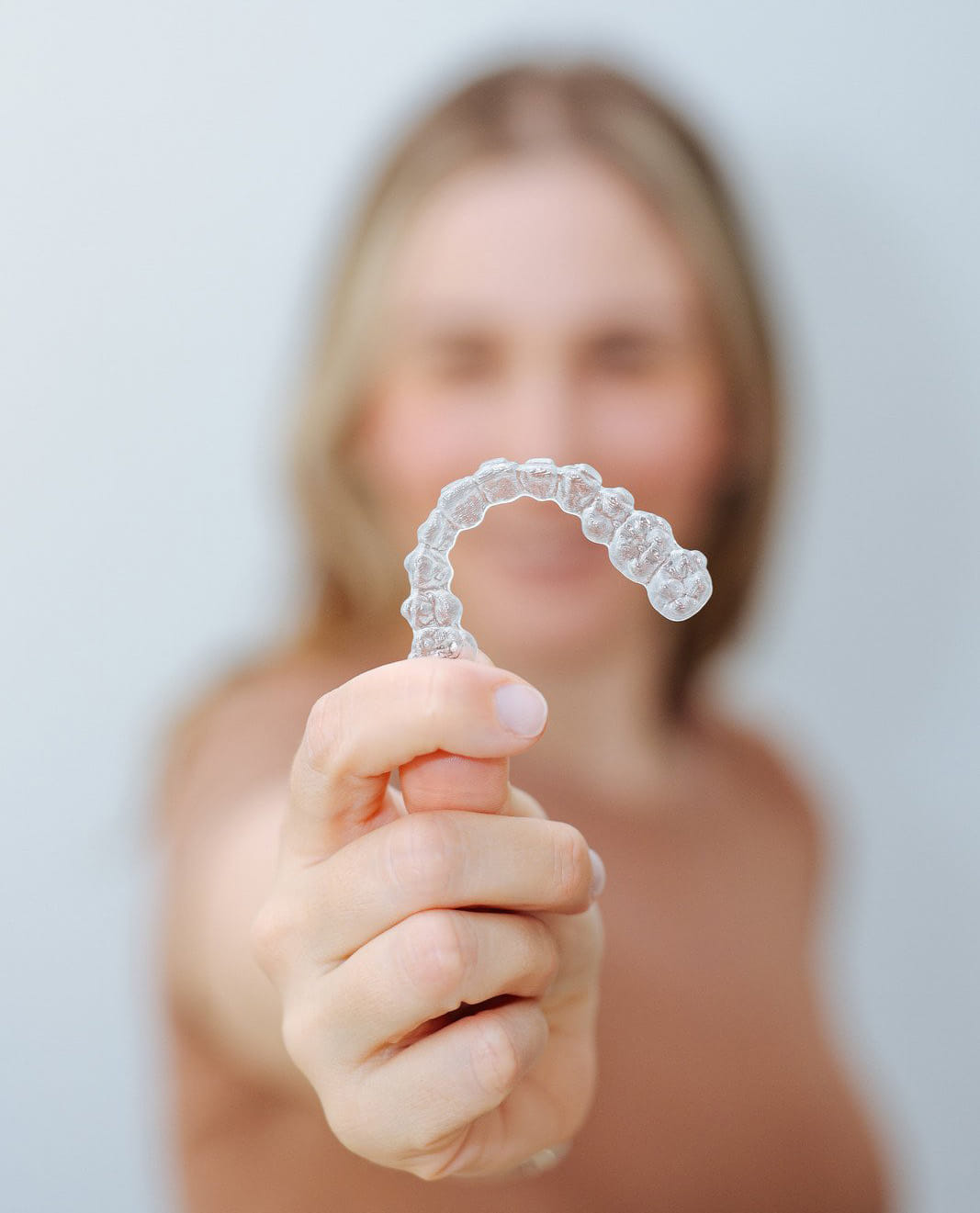
Aligners move teeth through a sequence of custom trays that you switch on a schedule, which makes the treatment process feel organized and measurable. The trays are removable, so meals and brushing can stay familiar, and many adults appreciate the low-visibility look. Results depend heavily on wear time, since aligners only work when they are in place, and that expectation should be realistic from day one. A properly planned aligner case can address crowding, spacing, and many bite issues while keeping the experience discreet.
Palatal Expanders to Create Space and Improve Arch Width
Palatal expanders widen the upper jaw to address crossbites, crowding, and narrow arches, and they can be a powerful tool when used at the right time. Expansion often improves how the upper and lower teeth fit together, which can reduce compensation patterns that complicate alignment later. Kids and teens typically respond more predictably because growth supports the change, though older patients may still have options depending on the situation. Many families like expanders because they address the “foundation” first, which can simplify later braces or aligner steps.
Orthodontic Expanders for Targeted Development and Bite Support
The term orthodontic expanders can include several designs, including devices that widen the upper arch, develop space for erupting teeth, or support bite correction in specific regions. The benefit is direction, since the appliance does not just “make room,” it encourages the mouth to develop in a way that supports healthier alignment. Expansion can reduce crowding pressure and improve symmetry, which often makes finishing alignment more efficient. Frugé Orthodontics selects the expander style based on your anatomy and bite goals, rather than choosing a one-size solution.
Functional Orthodontic Appliances for Growth and Jaw Guidance
Functional orthodontic appliances guide how the jaws relate to each other, which can improve overbites, underbites, and other bite patterns during growth years. These appliances use muscle forces and positioning to encourage a healthier relationship between the upper and lower jaws, which often improves function and appearance together. The best candidates are usually children and teens because growth can be leveraged, yet the appliance still needs consistent wear to work well. When timing is right, functional appliances can reduce the need for more aggressive correction later.
Orthodontic Devices for Bite Correction Using Elastics and Specialized Components
Some bite problems require more than alignment, including how teeth meet, how the jaw closes, and how forces distribute during chewing. Elastics, bite blocks, and other components can guide the bite into a more stable position while braces or aligners handle tooth movement. These devices are usually part of a larger plan, not a standalone fix, because bite correction works best when the teeth are moving into a compatible relationship. Patients often notice improvements in comfort and chewing as the bite becomes more coordinated.
Retainers for Teeth Alignment After Active Treatment
Retainers keep your results stable once teeth are aligned, and that step is not optional if you care about staying straight long term. Teeth naturally want to drift, and retention protects the investment you made in braces, aligners, expanders, or other appliances. Retainers can be removable, fixed, or a combination, depending on your history and how your teeth responded during treatment. A strong retention plan should feel simple, predictable, and tailored to your habits.
Fixed vs. Removable Orthodontic Appliances
Fixed vs. removable orthodontic appliances is one of the most important conversations in orthodontic planning, because it affects both results and daily experience. Fixed appliances include braces and some expanders, and they work continuously without relying on you to remember wear time. That consistency can be a major advantage for busy schedules, younger patients, or complex cases where precision and control matter most. Many patients like the confidence of knowing the appliance keeps moving them forward every day.
Removable appliances include aligners, many retainers, and certain functional appliances, and they can be extremely effective when wear is consistent. The flexibility is real, since you can remove them for meals, sports, and cleaning, which often makes oral hygiene feel easier. The tradeoff is responsibility, because removable devices only deliver results when they are worn exactly as prescribed. Frugé Orthodontics helps you choose between fixed and removable options by focusing on what you want to achieve, how you live, and what level of daily commitment feels realistic.
Braces and Aligners for Teeth Alignment
Braces and aligners for teeth alignment can both produce excellent results, yet they approach movement differently. Braces provide hands-on control through bracket placement, wire progression, and targeted adjustments, which can be helpful when teeth need complex positioning or bite relationships need structured correction. Aligners rely on a staged plan where each tray moves teeth gradually, which can feel clean and straightforward when the case is well designed. The best choice depends on your bite, your goals, and the predictability needed for your specific movement.
Comfort and appearance are part of the decision, yet long-term stability and bite function should lead the conversation. Some patients want the low-visibility look of aligners, while others prefer braces because they want maximum control without tracking daily wear hours. Treatment length can vary by case, but efficiency usually comes from choosing the appliance that matches your needs rather than chasing a trend. Frugé Orthodontics focuses on results that look natural and function well, then recommends braces, aligners, or a combination plan that supports that outcome.
Orthodontic Devices for Bite Correction
Orthodontic devices for bite correction focus on how your teeth meet and how your jaw closes, because alignment without bite harmony can lead to instability and uneven wear. Overbites, underbites, crossbites, and open bites each carry their own challenges, including chewing strain and aesthetic imbalance, and appliances help address those patterns in a controlled sequence. Bite correction might involve elastics, bite ramps, expansion, or functional guidance, depending on what is driving the problem. The most effective plans correct the bite while aligning teeth, rather than treating those goals as separate projects.
Bite correction also tends to improve comfort in everyday life, even if comfort is not the reason you sought treatment initially. A healthier bite can reduce pressure points, improve how the jaw tracks during chewing, and create a more even distribution of force across the teeth. That change can protect enamel and reduce the risk of chipping in patients whose bite is currently “hitting wrong.” Frugé Orthodontics plans bite correction with stability in mind, since the goal is a finish that holds up long after the appliances come off.
Functional Orthodontic Appliances and Growth-Focused Treatment
Functional orthodontic appliances are most common in growing patients because they take advantage of development while it is still active. These appliances help guide jaw position and muscle patterns, which can improve bite relationships that might otherwise worsen as a child grows. That growth guidance often supports better facial balance and a stronger foundation for future alignment steps. A well-timed functional phase can also reduce crowding pressure and make later braces or aligners feel more straightforward.
Consistency still matters with functional appliances, because they work best when worn as instructed and supported by regular follow-ups. Small adjustments, good habits, and clear expectations help the patient feel successful rather than overwhelmed. Frugé Orthodontics explains what the appliance is meant to change, how progress will be measured, and what signs show the plan is on track. That clarity helps families stay confident, especially during the early weeks when an appliance feels new.
Palatal Expanders and Orthodontic Expanders
Palatal expanders and other orthodontic expanders can be a game-changer for patients with a narrow upper jaw, crossbite patterns, or crowding that seems impossible to solve with tooth movement alone. Expansion creates space by widening the arch, which can allow teeth to align more naturally instead of being forced into a tight, unstable arrangement. That space can also support healthier bite contact, since the upper teeth need the right width to fit around the lower teeth. Many patients notice that expanding the arch improves both function and appearance, because the smile looks broader and more balanced.
The process is structured and gradual, which helps the mouth adapt comfortably while the change takes place. Some patients need expansion before braces or aligners, while others benefit from expansion as part of a combined plan. Age and anatomy influence which expansion option makes sense, and a careful evaluation prevents unrealistic expectations about what a specific expander can accomplish. Frugé Orthodontics recommends expansion when it adds value to the final outcome, not simply because it is available.
Retainers for Teeth Alignment and Long-Term Stability
Retainers for teeth alignment protect your results, because teeth have a natural tendency to drift even after an excellent finish. Retention is especially important after correcting crowding, rotations, and bite relationships, since those teeth may try to return toward their starting positions if they are not supported. A retainer plan can include removable options, fixed options, or a combination approach based on your needs and your history. The right retainer should feel manageable, since long-term stability comes from consistency, not from complicated instructions.
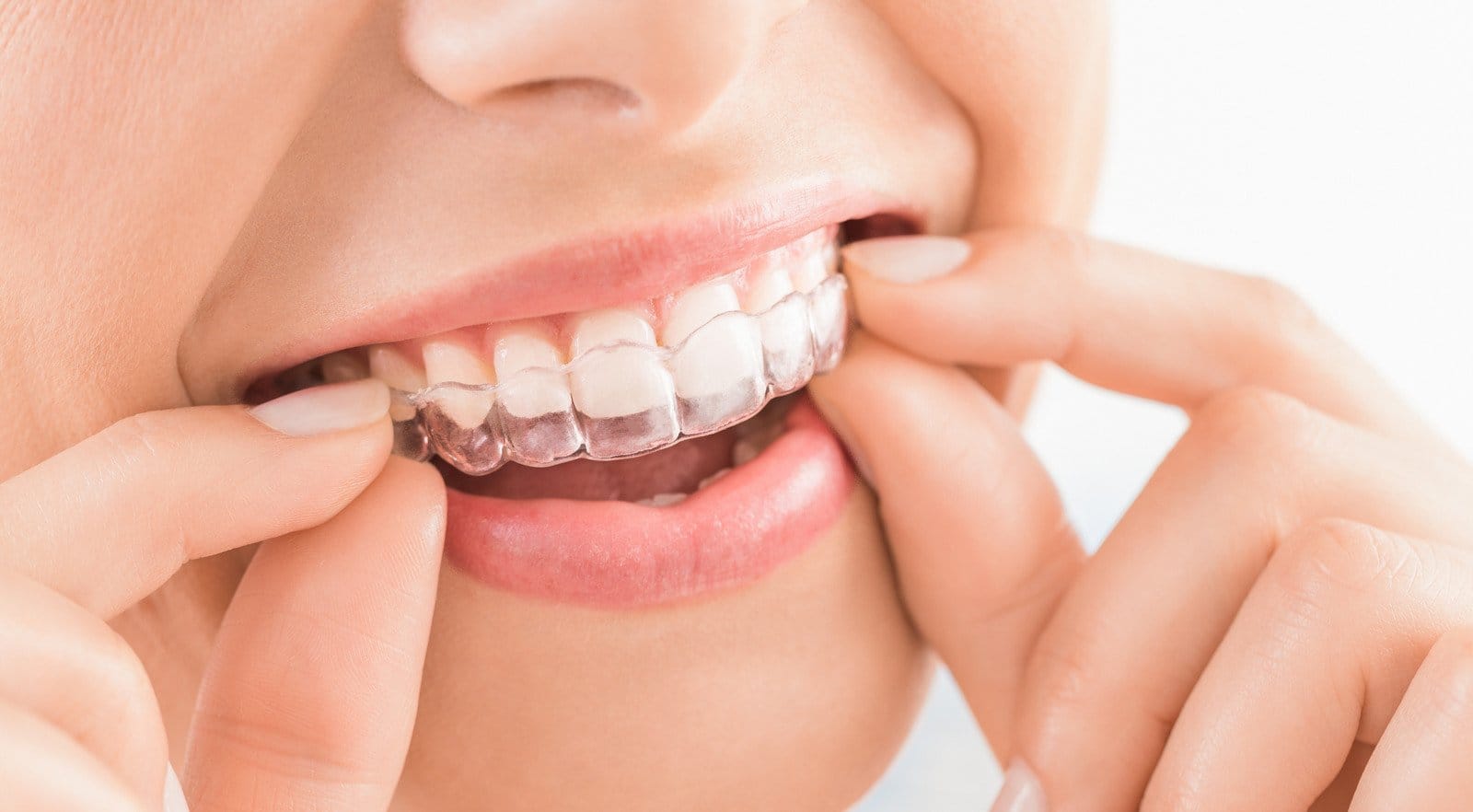
Removable retainers are often worn at night after an initial full-time period, and that routine helps patients maintain alignment without feeling restricted during the day. Fixed retainers can be helpful for certain teeth that are more likely to shift, especially in the lower front, where relapse is common. Cleaning and care still matter, because retainers stay healthier, last longer, and feel more comfortable when they are maintained properly. Frugé Orthodontics builds retention into the plan from the start, so your finish is designed to stay finished.
Daily Care Tips That Keep Appliances Comfortable and Effective
Build a Reliable Cleaning Routine That Fits the Appliance
Brushing carefully around brackets, under wires, or along aligner edges keeps plaque from building in the places you cannot see easily. Flossing matters because gum health supports smoother tooth movement and a cleaner finish, even when life feels busy. Water flossers, floss threaders, and smart technique adjustments can make hygiene more doable without adding stress. Consistent cleaning also reduces the risk of white spots and irritation during treatment.
Protect the Appliance by Choosing Smart Food and Habit Choices
Sticky and overly hard foods can bend wires, pop brackets, or damage certain removable appliances, which can delay progress even if the issue feels minor. Cutting crunchy foods into smaller pieces and chewing thoughtfully helps patients enjoy normal meals while protecting their investment. Nail biting, pen chewing, and ice chewing can cause unexpected damage, especially when forces hit the appliance at the wrong angle. Small habit changes add up to fewer repairs and a smoother timeline.
Use Comfort Tools Early Instead of Waiting for Irritation to Build
Orthodontic wax can prevent sore spots before they turn into real irritation, especially during the first week with braces or after an adjustment. Warm saltwater rinses can calm tender areas and support healing when the mouth is adapting to a new appliance. For aligners, consistent wear reduces the stop-and-start pressure that can make trays feel sharper or more uncomfortable. Comfort improves faster when you address friction early and keep the plan steady.
Follow Wear Instructions Like They Are Part of the Appliance
Removable appliances only work when they are worn, which makes wear time the most important “invisible” part of treatment. Aligners typically require daily consistency so the sequence stays on track and trays fit as intended. Functional appliances also depend on routine wear because growth guidance and bite correction need repetition to take hold. Clear expectations make success easier, and Frugé Orthodontics helps you understand the why, not just the rule.
What to Expect From Your Appliance Plan at Frugé Orthodontics
Comprehensive Consultation
Your visit starts with a detailed look at your teeth, bite, and overall goals, since the appliance choice should match the outcome you want. Records may be recommended so the plan is built from precise information rather than guesswork. Treatment is explained in a way that makes sense, including what the appliance will change and what the timeline usually looks like. You leave with clarity, not pressure.
Appliance Selection That Fits Your Bite and Your Routine
The recommendation focuses on function first, since a stable bite supports long-term alignment and reduces relapse risk. Aesthetic preferences are still considered, including options like discreet braces and aligners for teeth alignment when they suit the case. The plan also accounts for school, work, sports, and comfort, because the appliance has to fit your real life. Patients usually feel more confident when the reason behind the choice is fully explained.
Placement and Early Adjustment Support
The first days with an appliance can feel unfamiliar, even when everything is going perfectly. Guidance is provided on cleaning, eating, comfort tools, and what changes are normal during the initial adaptation phase. Early questions are treated as part of care, not as an inconvenience, because small tweaks can make the experience smoother. Progress feels better when you know what to expect.
Progress Visits That Keep Movement Predictable
Regular check-ins allow adjustments that guide the teeth efficiently and keep bite correction on track. Those visits also catch small issues early, including wear patterns, hygiene concerns, or appliance damage. For aligners, follow-ups confirm that trays are tracking and that timing stays realistic. Consistent monitoring helps prevent delays and supports a cleaner finish.
Refinement for Bite Correction and Final Detailing
The final stretch is where results become polished, since tiny changes can make the smile look more natural and the bite feel more stable. Elastics, detailing adjustments, or aligner refinements may be used to settle the bite into a confident fit. The goal is not just straight teeth, but teeth that meet well and function comfortably. A strong finish is built on careful detail, not rushing to the end.
Retention That Protects the Result
Retainers are selected based on how your teeth moved, what your bite needs, and what will be easiest to maintain long term. Instructions are clear and realistic, since retention should be simple enough to follow without constant effort. Follow-up support keeps retention on track, especially during the first year when teeth are most likely to shift. Long-term stability is treated as a core part of success, not an afterthought.
Signs You May Benefit From Orthodontic Appliances
Crowding, spacing, and bite issues are common reasons patients explore orthodontic appliances for teeth alignment, yet the decision often becomes clearer when you notice daily symptoms. Teeth that overlap can trap plaque, make flossing frustrating, and cause uneven wear as certain teeth take more pressure than they should. A bite that feels “off” can lead to chipping, jaw fatigue, or chewing that never feels quite balanced. A consultation helps determine whether the issue is primarily alignment, primarily bite correction, or a combination plan that addresses both.
Why Frugé Orthodontics Is the Right Choice for Orthodontic Appliances
Orthodontic appliances work best when they are part of a plan that considers the whole bite, not just the front teeth. Frugé Orthodontics builds treatment around stability, comfort, and predictable movement, which helps patients feel confident that each step has a purpose. Appliance options are explained clearly, including types of orthodontic appliances, how they work, and what daily life typically looks like during treatment. That clarity helps you choose a direction without feeling overwhelmed by technical language.
Personalized care also matters because every patient has different priorities, including appearance, timeline, comfort, and long-term retention needs. A good orthodontic experience should feel supportive, organized, and focused on results that look natural and function well. Frugé Orthodontics takes the time to match fixed vs. removable orthodontic appliances to your case, then guides you through the process with practical coaching and steady follow-up. Patients appreciate treatment that feels both expert and approachable, especially when the goal is a smile that holds up for years.
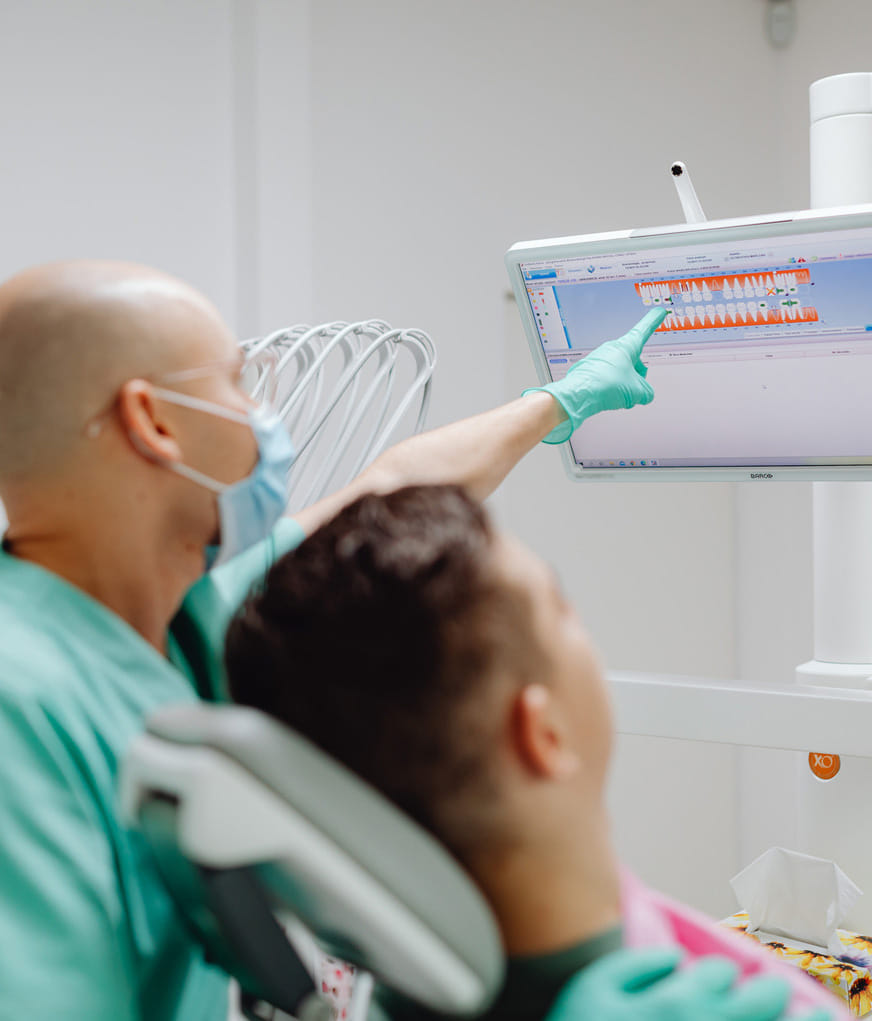
Schedule an Orthodontic Appliance Consultation With Frugé Orthodontics
Orthodontic appliances can transform how your smile looks and how your bite functions, yet the best results come from choosing the right device for the right job. A consultation gives you a clear explanation of what is driving your alignment or bite concern, plus a plan that fits your goals and your routine. That meeting should feel like a conversation, not a sales pitch, because confidence comes from understanding your options. Get started now by reaching out to the Frugé Orthodontics team and taking the first step toward a healthier, more confident smile.
Our Patients Love Us!

Appointments were easy to schedule and were quick-with prompt & friendly adjustments!
Anyone considering Invisalign, I encourage you to go for it! You will be thrilled with the results-Fruge Orthodontics will make sure of...


Ms. Deloris Cochran


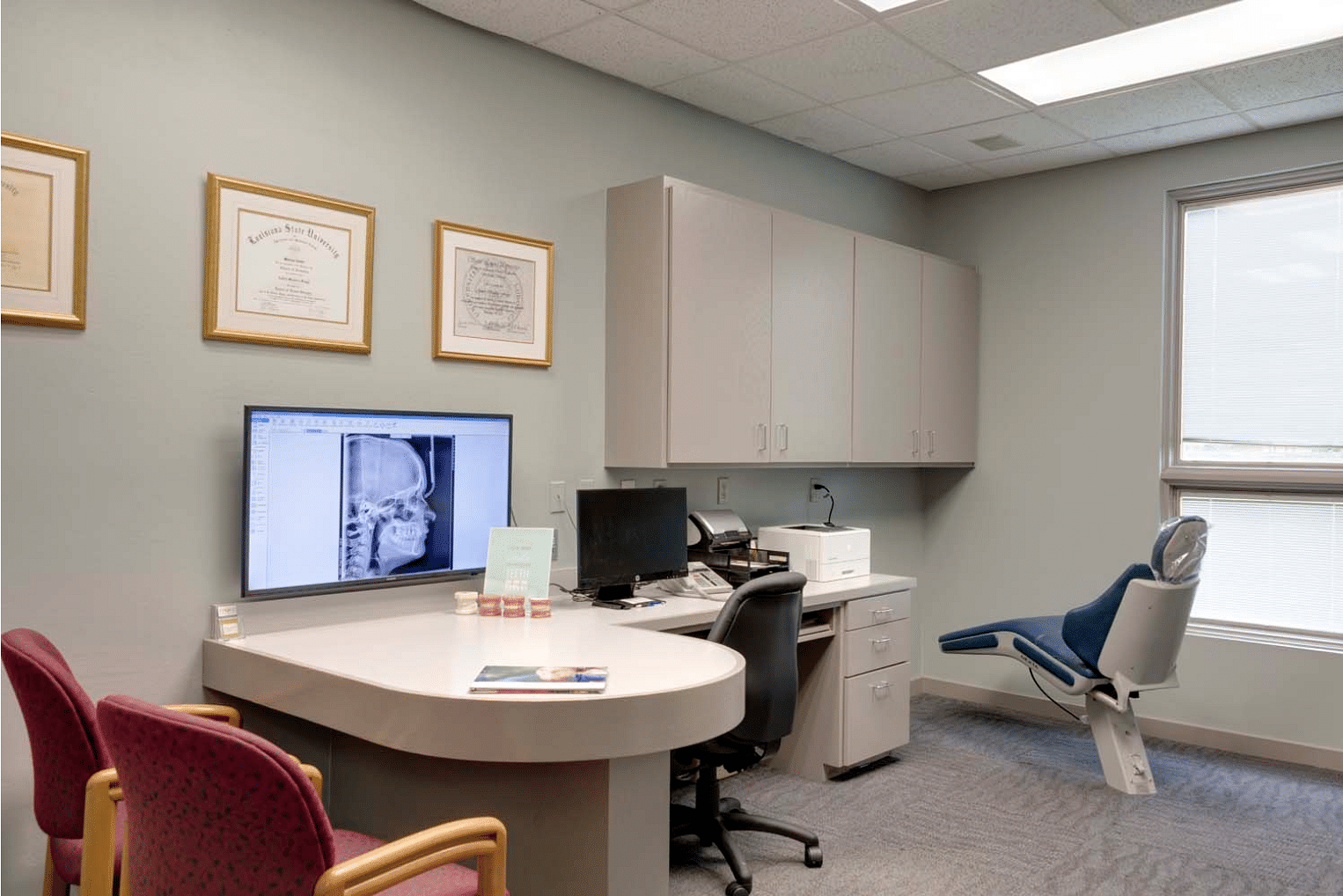
Book Your Complimentary Consultation Today!
We’ll answer all of your questions, provide a personalized treatment plan, and work with your insurance and finances to find a solution that works for you. Ready to schedule your complimentary consultation with our orthodontists? Request a callback and we’ll reach out at a time that works best for you.
We're Active in the Community







© 2024 Frugé Orthodontics All rights reserved. Privacy Policy
Powered By
Follow Us On Social